You have successfully logged out.

Hello !
Logout

Surgical Asset & Supply Consulting

Black box CSSD

Are you aware of all cost traps in your hospital?

Hospital managers sitting at a table in a training
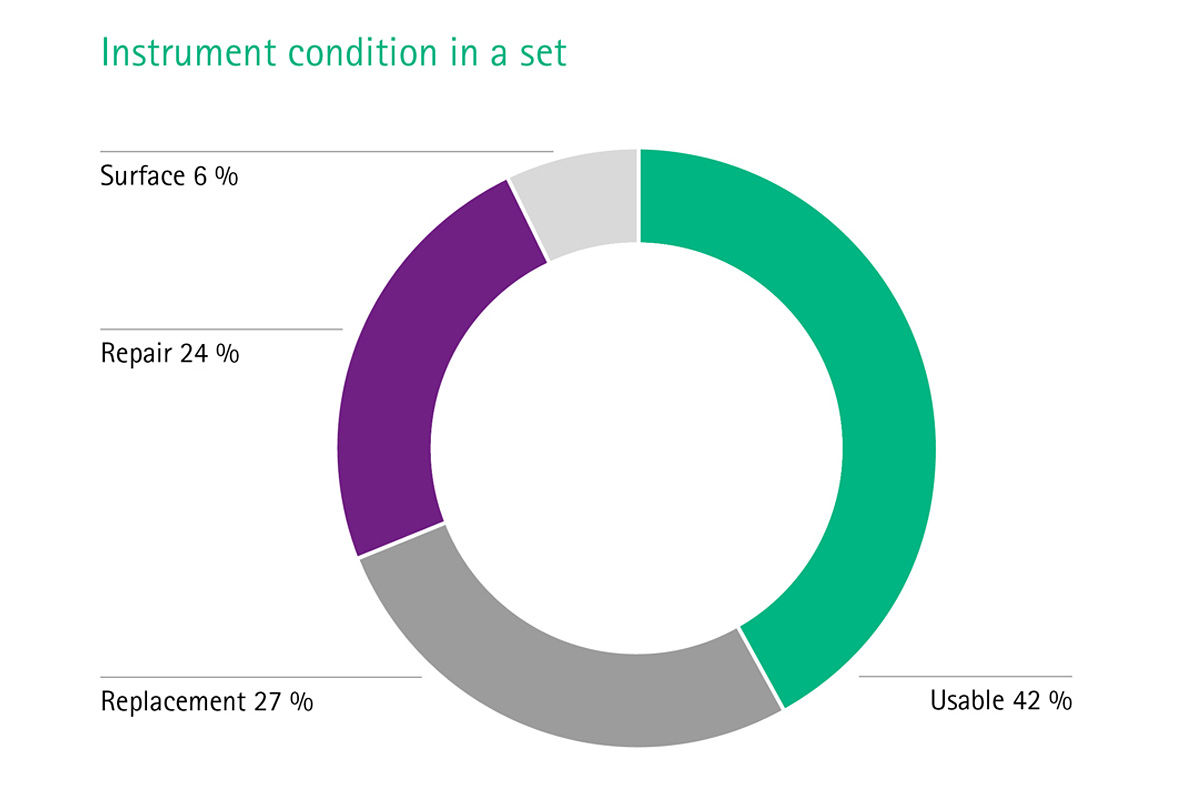
Info graph of instrument condition in a set
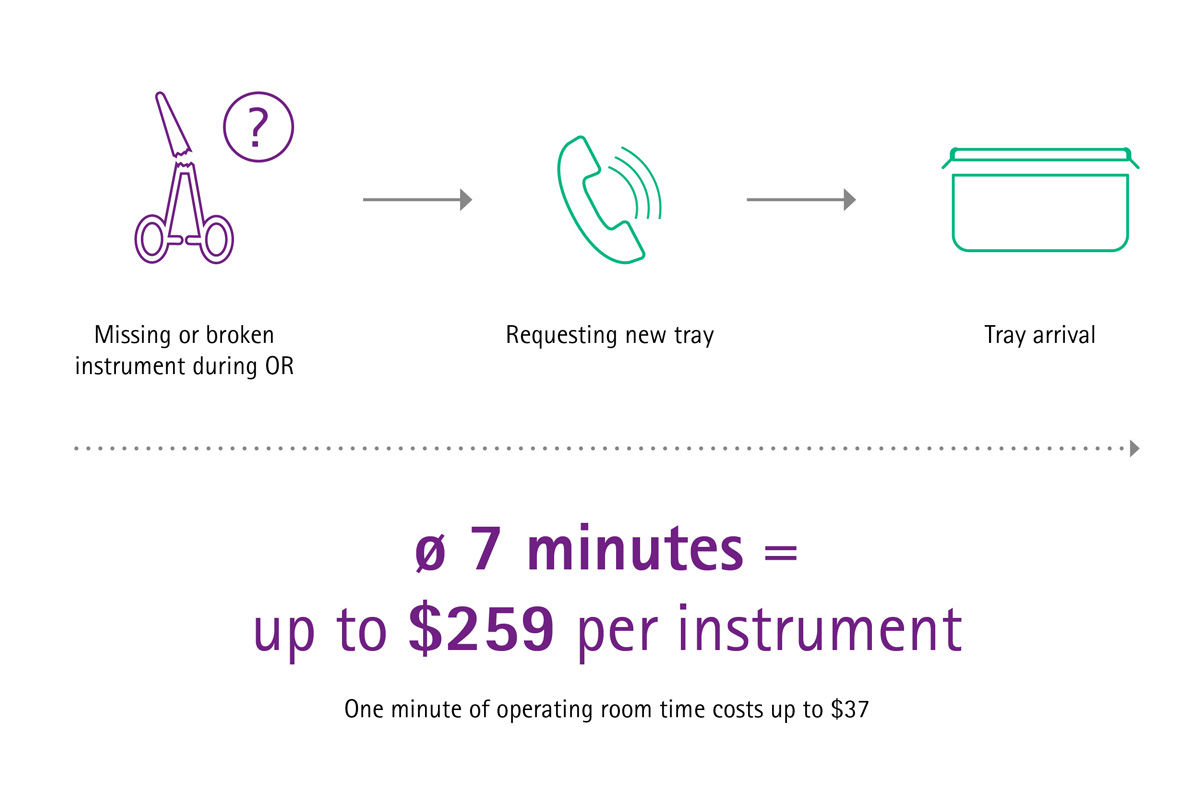
Info graph of additional costs of missing or broken surgical instrument during OR
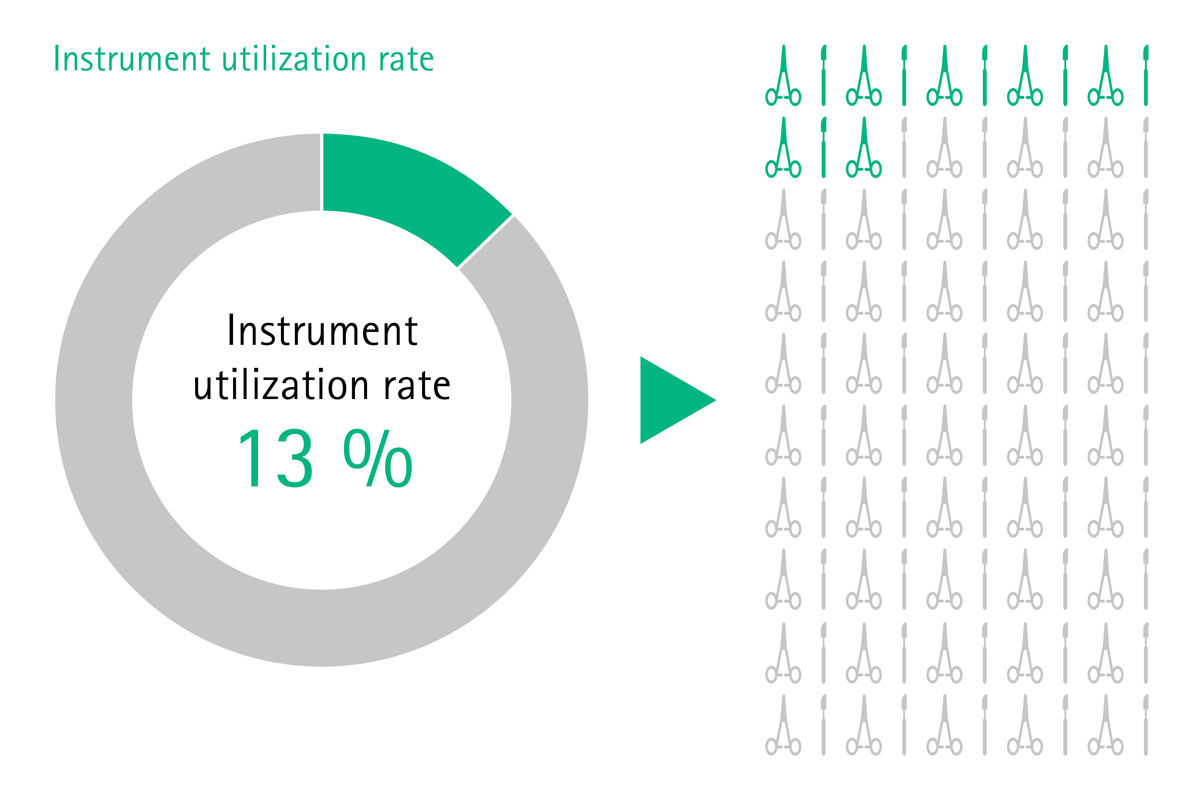
Info graph of the instrument utilization rate of 13 %
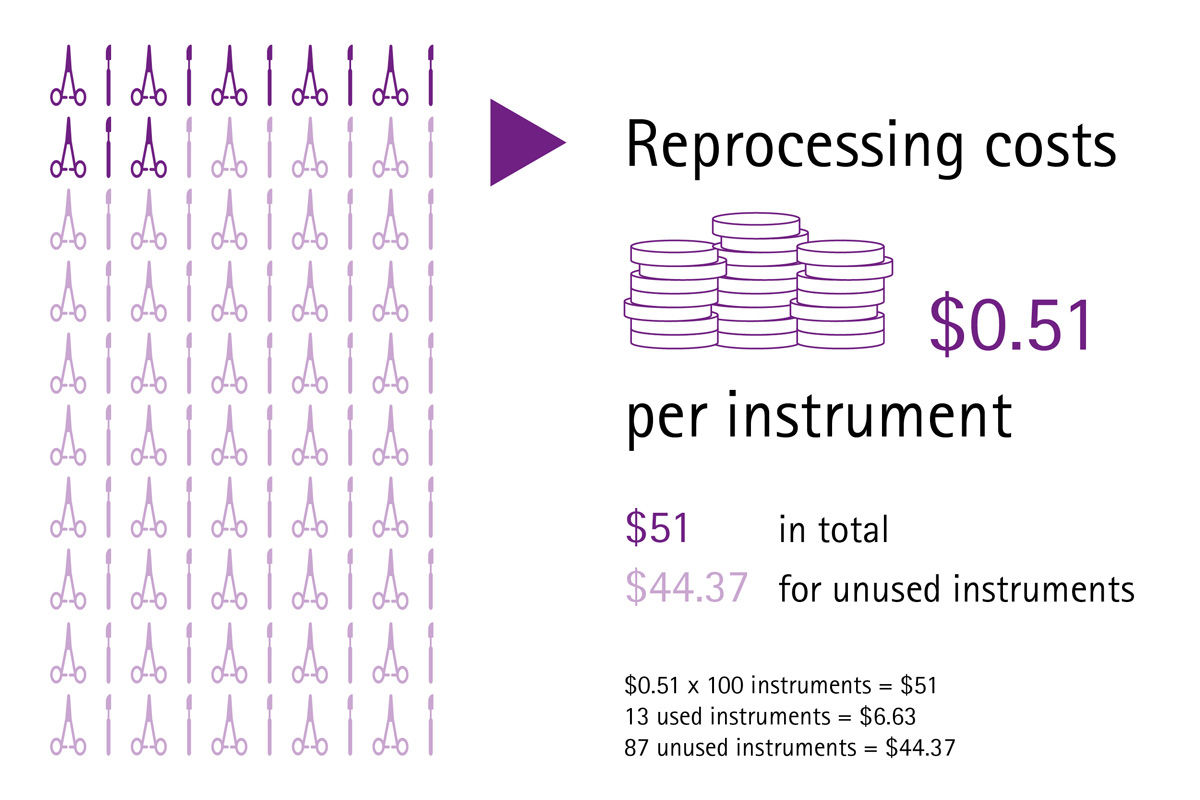
Info graph of reprocessing costs per instrument
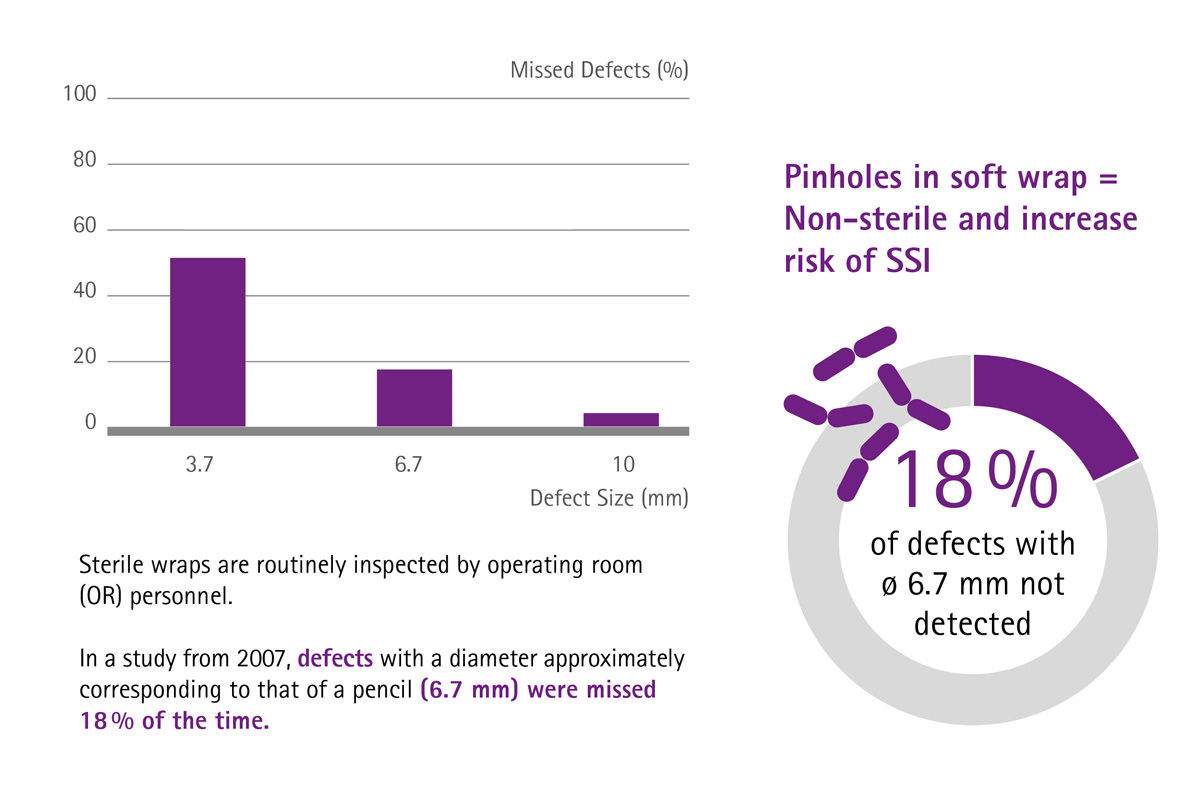
Info graph of pinholes in soft wrap means non-sterile and increase risk of SSI
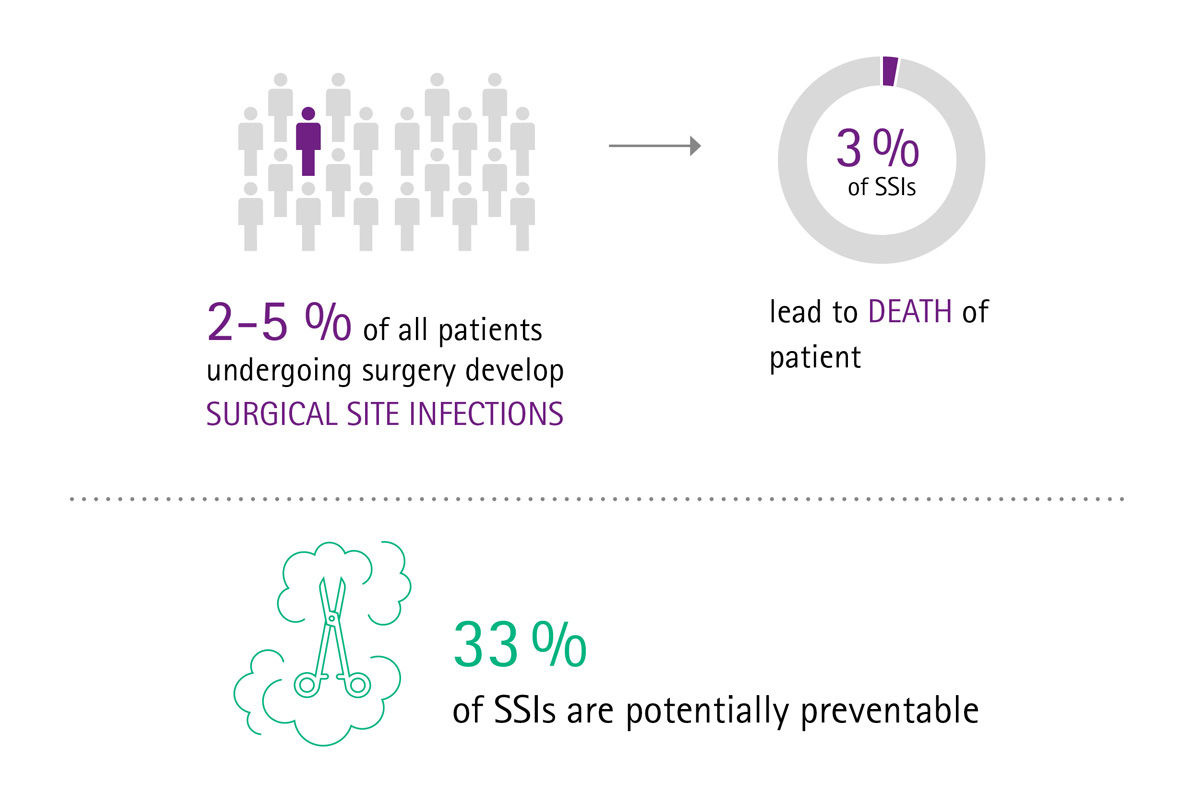
Info graph of surgical site infections
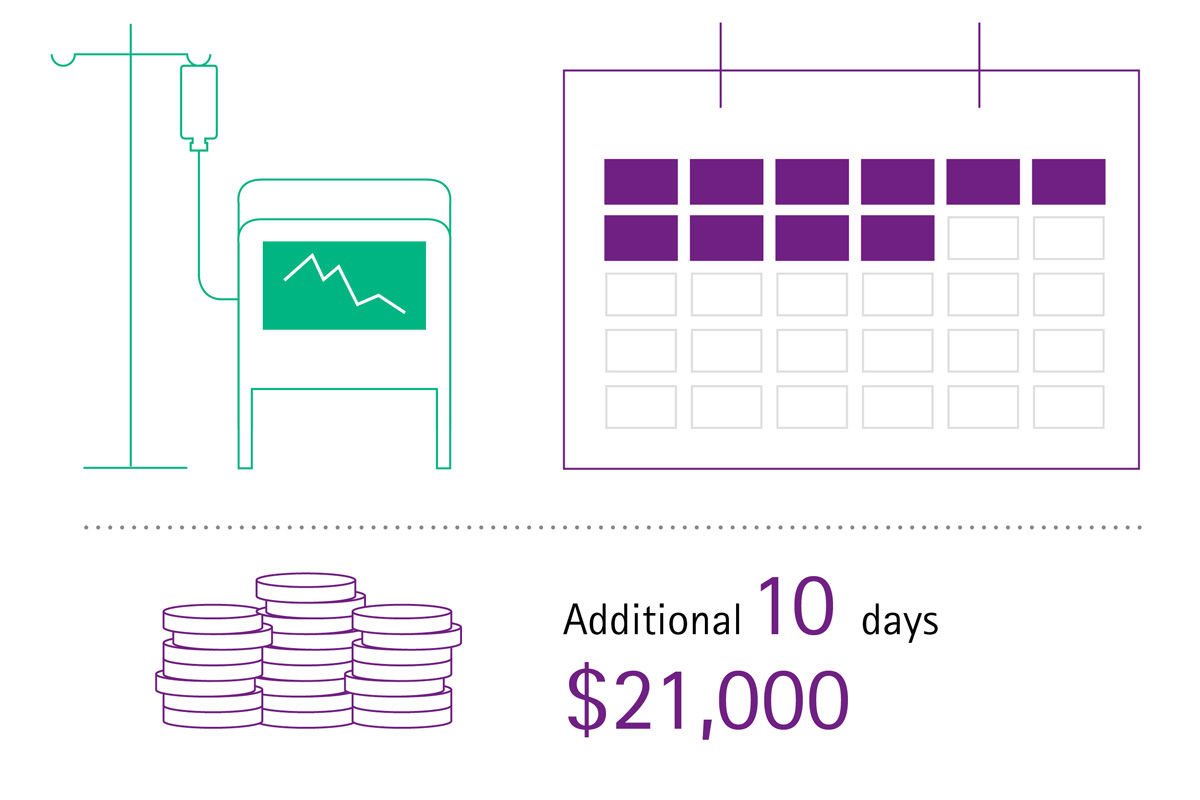
Info graph of the costs of additional 10 recovering days after a surgical site infection
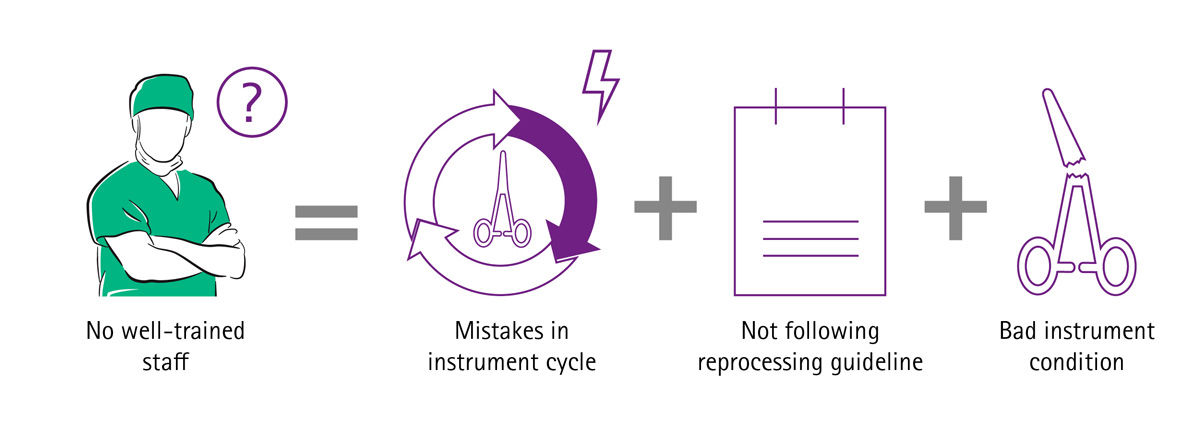
Info graph of no well-trained staff means mistakes in instrument cycle, not following reprocessing guideline and bad instrument condition
Young CSSD employee with a digital tray organizing management tool on his tablet
  • 0%

    of all surgical instruments are not suitable for use in the OR
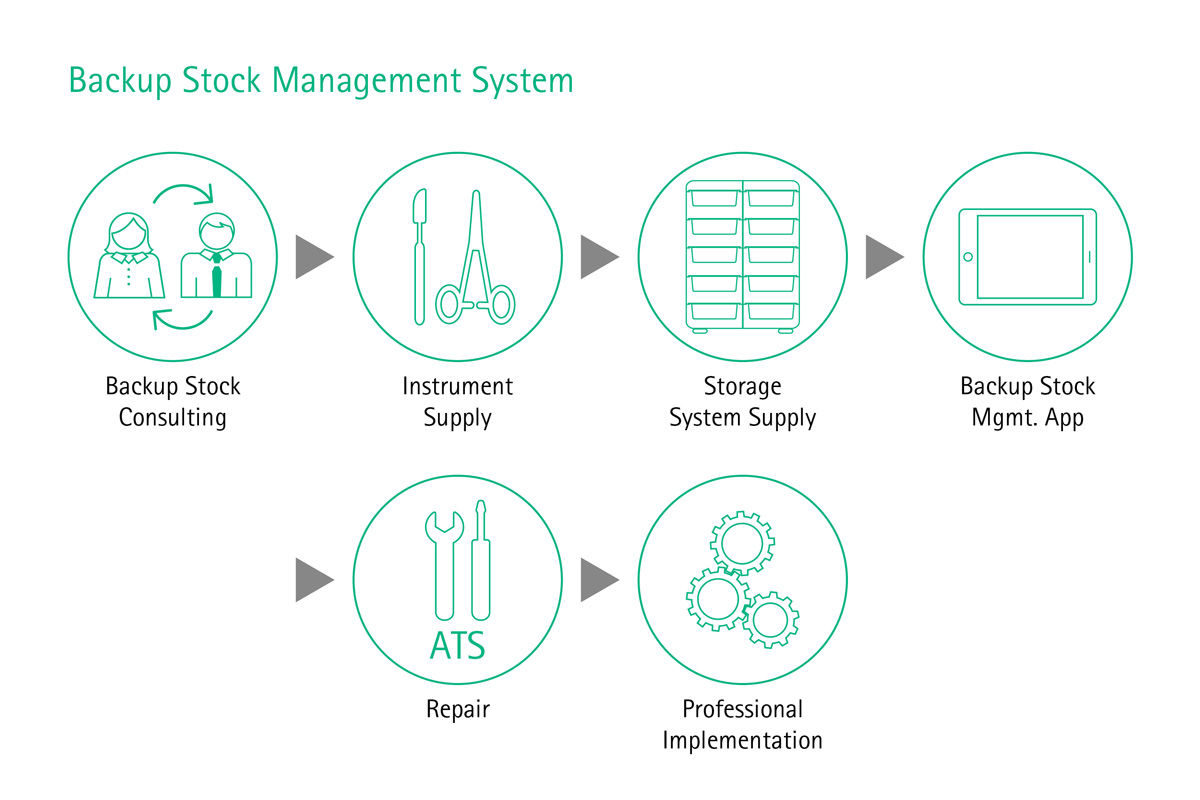
Info graph backup stock management system
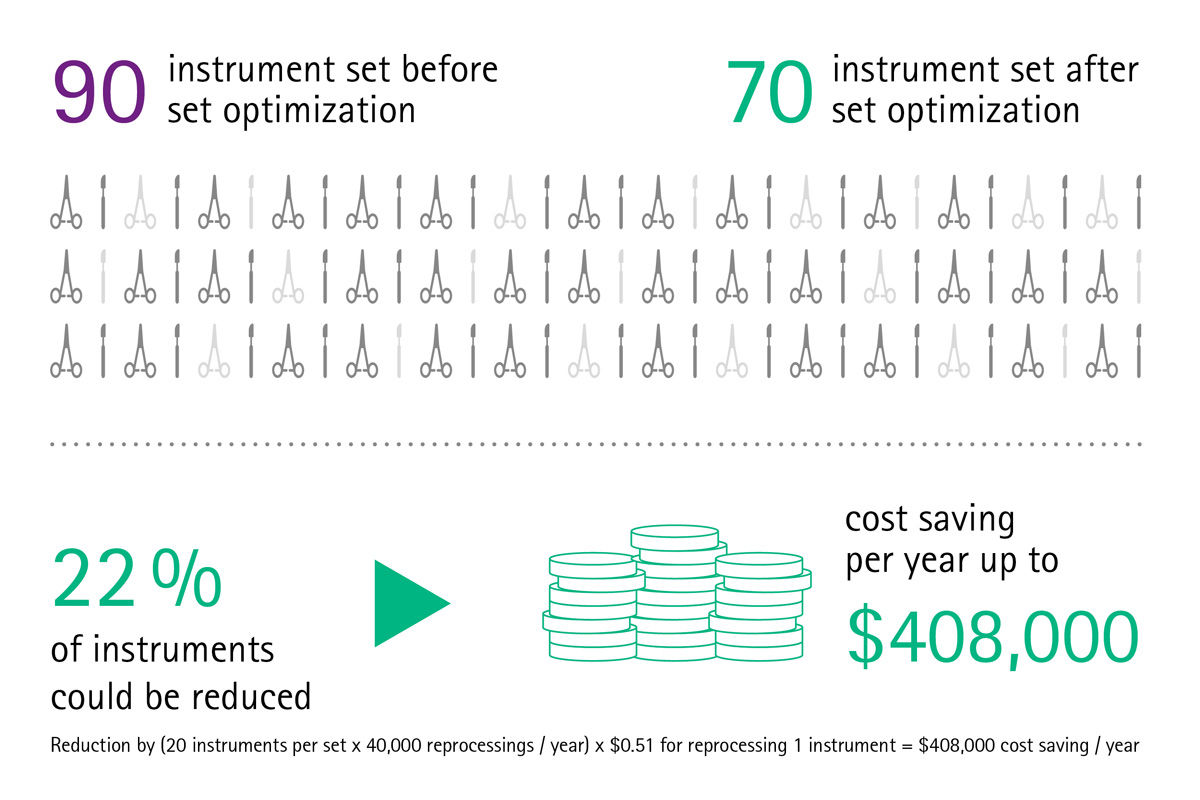
Info graph of instrument set before and after set optimization
Info graph of cost savings in the CSSD by containerization
Staff training in the CSSD
A middle-aged man dressed in a formal suit and tie, smiling warmly at the camera

Face CSSD challenges with Surgical Asset & Supply Consulting

Our consultants advise based on official regulations, international standards, and industry best practices in order to improve the various aspects and overall life cycle of instruments.
Read more
  1. Wong J, Khu KJ, Kaderali Z, et al. Delays in the operating room: signs of an imperfect system. Can J Surg 2010;53(3):189-95.
  2. Stockert EW, Langerman A. Assessing the magnitude and costs of intraoperative inefficiencies attributable to surgical instrument trays. J Am Coll Surg 2014;219(4):646-55.
  3. Childers CP, Maggard-Gibbons M. Understanding Costs of Care in the Operating Room. JAMA Surg 2018;153(4):e176233.
  4. Aesculap. Wrap to rigid. https://www.aesculapusa.com/en/healthcare-professionals/sterile-supply-management-solutions/sterile-container-systems/wrap-to-rigid.html
  5. Anderson D.J., et al. Strategies to Prevent Surgical Site Infections in Acute Care Hospitals. Infect Control Hosp Epidemiol 2008;29:51.
  6. Wick E.C., Shore A.D., Hirose K., et al. Readmission rates and cost following colorectal surgery. Dis Colon Rectum 2011;54(12):1475-79.
  7. Dancer SJ, Stewart M, Coulombe C, et al. Surgical site infections linked to contaminated surgical instruments. J Hosp Infect 2012;81(4):231-38.
  8. ECRI. Bioburden on Surgical Instruments: Patient Safety Advisory. Pennsylvania Patient Safety Reporting Sytem 2006(3).
  9. Lissovoy G de, Fraeman K, Hutchins V, et al. Surgical site infection: incidence and impact on hospital utilization and treatment costs. Am J Infect Control 2009;37(5):387-97.
  10. Aesculap statistics based on 345.890 analyzed instruments in 135 different hospitals.
  11. Yoon S, Zygourakis CC, Seaman J, et al. Implementation and Impact of a Hospital-Wide Instrument Set Review: Early Experiences at a Multisite Tertiary Care Academic Institution. Am J Med Qual 2019;34(1):67-73.
  12. Stockert EW, Langerman A. Assessing the magnitude and costs of intraoperative inefficiencies attributable to surgical instrument trays. J Am Coll Surg 2014;219(4):646-55. 
  13. Aesculap. Sterilization Validation – STERILCONTAINER with Primeline Lids. 
  14. Practice Greenhealth. Greening the OR: Reusable Hard Cases for Surgical Instrumentation 2013.
  15. Amann B, Appel T, Bertram M, et al. Corrosion: an underestimated risk. Zentralsterilisation 2019(5):320-23.